
Akagera National Park
Akagera National Park, spread across the eastern lowlands along the Tanzanian border, offers a classic African savannah experience that rivals any park in East Africa. This is where you can finally see the Big Five, cruise past hippos on a lake, and watch lions stalk zebras across open plains.
The park has a remarkable story. In the 1990s, Akagera was almost destroyed. Returning refugees settled inside the park boundaries. Poaching decimated the wildlife. Lions and rhinos disappeared completely. But in 2010, a partnership between the Rwanda Development Board and African Parks changed everything. Poaching dropped to record lows. Lions were reintroduced from South Africa in 2015. Black rhinos followed in 2017. Today, Akagera stands as one of Africa’s most successful conservation recoveries. This park is ideal for those tourists who want to enjoy an authentic Rwanda safari experience.
Attractions in Akagera National Park.
Big Five.
The only national park in Rwanda which has all the members of the Big Five is Akagera National Park. The lion population of the park was introduced in 2015 and is breeding successfully. The pride of these magnificent animals can be found roaming freely on the savanna, and their encounters are becoming increasingly common. Black Rhinos were re-introduced into the park in 2017 and continue to thrive with 24-hour security around them. There are many elephants in the area. Buffalo gathers in massive groups, sometimes numbering in the hundreds. Leopards are more elusive but present throughout the park, especially in the woodland areas.
Lake Ihema.
Lake Ihema is the park’s largest lake and one of its most spectacular attractions. The lake shimmers along the park’s western edge, surrounded by papyrus swamps and fig trees. A boat safari here is unforgettable. Hippos wallow in pods, grunting and splashing. Nile crocodiles lie motionless on the mudbanks, their eyes just above the water. The birdlife is extraordinary, with African fish eagles, kingfishers, herons, and the elusive shoebill stork all present.
Bird Species.
Birdwatchers rank Akagera among Africa’s finest destinations. The park records over 500 bird species, thanks to its diverse habitats of savannah, woodland, wetland, and lakes. The shoebill stork is the star attraction, a prehistoric-looking bird that stands motionless for hours. Other highlights include the African fish eagle, the lilac-breasted roller, the giant kingfisher, and the papyrus gonolek, which is found only in papyrus swamps.
Activities to do in Akagera National Park.
Game Drives.
Game drives are the heart of any Akagera safari. The park’s road network allows for both morning and afternoon excursions. Morning game drives, which begin around 6:00 AM, are perfect for viewing lions and leopards when they are most active prior to the intense heat pushing them back into their dens. The afternoon game drives have great lighting conditions for taking photographs and animals become very active once again due to cooler temperatures.
Night drives are also available for those staying within the park. When the darkness start, the bush transforms. Bush babies leap between branches. Genets hunt along the roadside. Leopards become active, and spotted hyenas call to each other across the plains. This is a different world, and experienced guides know where to look.
Boat Safaris on Lake Ihema.
A boat safari on Lake Ihema is the second most popular safari activity in Akagera, after game drives. The two-hour cruise takes you past pods of hippos, some containing up to fifty individuals. Nile crocodiles slide off the banks as you approach. The birdlife is spectacular, with African fish eagles diving for prey, kingfishers darting across the water, and herons standing motionless in the shallows. If you are lucky, you might see the shoebill stork, a rare and prehistoric-looking bird that birdwatchers travel from across the world to see. With the placid surface of the lake and the shade provided by the boat, this activity is a pleasant one to undertake and is appropriate for everyone.
Hot Air Balloon Safaris.
For the visitor who wants an experience that they will never forget, there are hot air balloon safaris over Akagera. You glide above the landscape early in the morning watching the plains awaken as elephants gather together. Giraffes raise their necks, with the warmth of the sun on their backs. The safari includes breakfast in the bush after landing. Balloon safaris depend on weather conditions and cost about $400 per person.
Guided Nature Walks.
Walking safaris are not permitted everywhere in Akagera due to the presence of dangerous game, but guided nature walks are available in specific areas. The hikes are more concerned about looking for finer things like animals’ footprints, medicinal plants, insects, and birds. A ranger will always accompany each team in order to provide an added sense of security as well as knowledge regarding bush craft. The hikes are ideal for people who have cameras.
Sport Fishing.
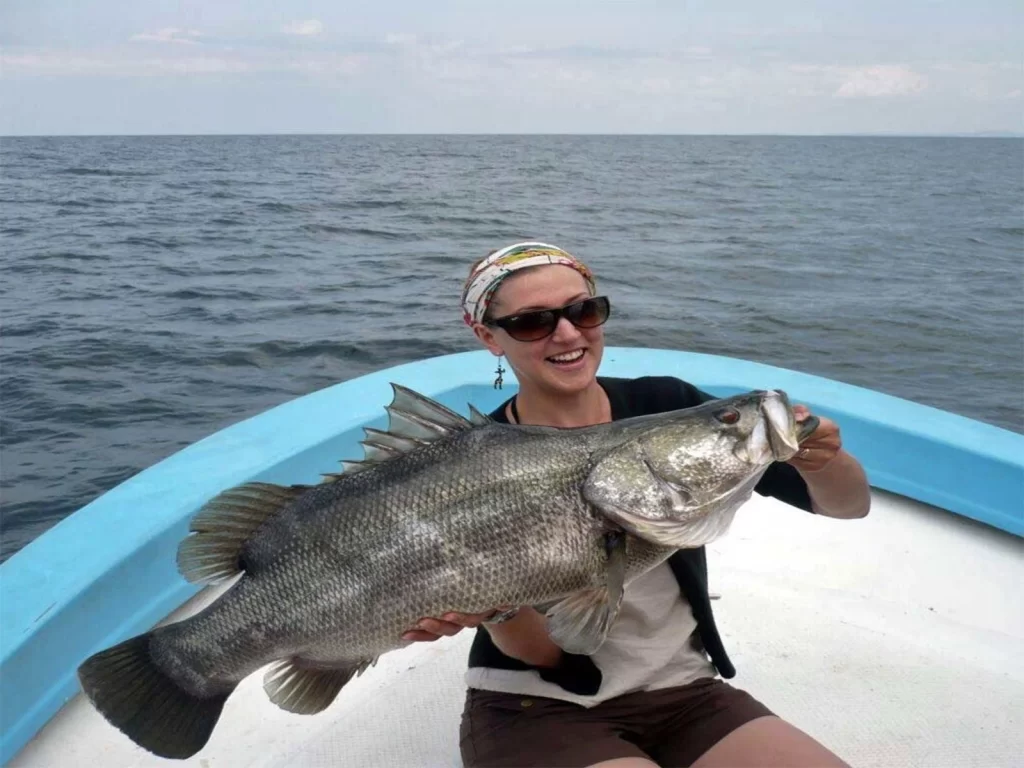
For anglers, Akagera offers catch-and-release sport fishing on Lake Shakani. The lake is stocked with tilapia and catfish, and fishing trips can be arranged through the park or your lodge. Equipment is provided, and the experience of fishing in an untouched African lake, surrounded by wildlife, is incomparable.
Best time to visit Akagera National Park.
Akagera can be visited all year round; however, the seasons provide varying conditions for visitors.
The dry season between June and September and from December to February provides excellent wildlife watching opportunities since the rainfall is low during that period, and the animals are near water bodies such as lakes and rivers. The grass is shorter, so it is easy to spot any animals. There are well-maintained roads that allow one to travel everywhere within the park. It is the peak season, so there are many visitors, and accommodation fees are high, but the game viewing is fantastic.
There are two rainy seasons between March to May and October to November. The weather is rainy and the scenery is beautiful. The grassland becomes green, and the birds are at their peak due to the migration of the birds. There will be few tourists, and accommodation fees may be low. But there is the case of roads that can turn muddy and rough, as well as the dispersion of wildlife throughout the park. Bird-watchers and tourists who prefer seclusion to sightings find the wet seasons to be very favorable.
Where to Stay in and Around Akagera National Park.
Luxury Lodges; For travelers seeking the highest level of comfort and exclusivity, Wilderness Magashi Peninsula is the premier property in Akagera. Located in a private concession in the northern part of the park, Magashi offers just three villas, each with a private plunge pool, indoor and outdoor showers, and a rooftop bed for sleeping under the stars. It costs about $2,200 per person per night for a night, which includes all meals, game drives, boat safaris, and guided walks. Guests staying at the lodge can explore regions of the park that other tourists cannot visit.
There is also Ruzizi Tented Lodge located by Lake Ihema. The tents are spacious and comfortable, with en-suite bathrooms, private decks, and lake views. The lodge has a swimming pool, a restaurant, and a bar. Rates are approximately 300 to 500 per person per night.
Mid-Range Lodges; Mantis Akagera Game Lodge is the largest property in the park, with 60 rooms and suites. The lodge features an outdoor swimming pool with lake views, a restaurant serving African and international cuisine, a gym, and a kids’ club. It is an excellent choice for families and groups. Rates are approximately 150 to 250 per person per night. Moreover, the lodge provides rooms that can accommodate wheelchairs, hence providing convenience to people with disabilities.
Budget Lodges; To tourists who wish to have a budget-friendly camping experience, Akagera National Park provides campsites in Mutumba, Shakani, and among others have basic facilities, including shared bathrooms and cold-water showers. Campers must bring their own tents, food, and water. Rates are approximately 30 to50 per person per night. The park also offers a dormitory-style guesthouse for budget travelers who do not have camping equipment.
How to Get to Akagera National Park.
By Road from Kigali
Most visitors reach Akagera by road from Kigali. The distance is roughly 110 kilometers, and it would take two and a half to three hours to reach there by car. The route is tarmacked, and it passes through the undulating hills of eastern Rwanda. Personal cars, rented cars, and shuttle buses from tour companies can be used to access Akagera National Park. Self-drive is allowed, although it is advisable to use a 4×4 car to travel around the park.
By Air
For travelers with limited time or a preference for comfort, charter flights are available from Kigali to Akagera’s small airstrip. Akagera Aviation operates helicopter and light aircraft charters, with flight times of approximately 45 minutes. This is an expensive option, but it saves significant travel time and offers stunning aerial views of the park.