A Uganda gorilla safari offers something that no other wildlife experience can match. You leave behind the comfort of your lodge before dawn. You drive winding roads that climb into the hills. You meet your guide and your trekking group at the park headquarters. And then you walk into the forest, leaving the modern world behind. The hours that follow test your fitness and your patience. The reward, when it comes, is worth every drop of sweat.
Why Uganda for incredible Gorilla Trekking.
Uganda offers affordable gorilla safari experience. The country’s gorilla permits cost eight hundred US dollars, nearly half the price of Rwanda’s fifteen hundred dollars and significantly less than the Democratic Republic of Congo’s four hundred dollars when security costs are factored in and then it costs six hundred US dollars during the low season. This price difference allows travelers to extend their stays, add many treks, or allocate budget to other activities.
The gorilla trekking experience in Uganda is also more adventurous. Bwindi Impenetrable National Park earns its name honestly. The forest is thick, the terrain is steep, and the trails are challenging. You earn your hour with the gorillas through physical effort.
Uganda also offers more gorilla families than any other country. Bwindi alone protects approximately four hundred gorillas divided into twenty three habituated family groups. This abundance means permit availability is better than in Rwanda, where demand consistently outstrips supply. Even during peak seasons, you can usually secure permits for Uganda with less advance planning.
Bwindi Impenetrable National Park.
Bwindi Impenetrable National Park is a World Heritage site and the center of Uganda’s gorilla trekking tourism. It consists of about three hundred and thirty-one square kilometers of montane and lowland forests, which are remnants of the large expanse of forests that previously existed across much of East Africa. The name Bwindi derives from its dense growth, filled with vines and bamboo, making it hard to walk through.
Bwindi Impenetrable Forest National Park is segmented into four sectors, each one of which has a distinctive charm of its own with distinctively habituated gorilla families. The northern part of the park called the Buhoma sector is the oldest tourist destination in the park. This sector has excellent walking paths, and the surrounding communities have developed wonderful facilities for tourists. The eastern sector, named Ruhija, is cooler than other sectors and has trails which offer spectacular panoramic views of the forest canopy. The sector known as Nkuringo is also located in the south and is the hardest of all the sectors because its paths slope sharply down from the ridge into the forests below.
The sector you choose to trek through will depend largely on your physical condition, your preference regarding accommodation facilities, and how comfortable you are with unpredictability. Recommendations will be made according to your particular requirements, but the actual allocation is done by the park rangers on the day you start out.
The Gorilla Trekking Adventure.
Your day will start at the crack of dawn. You wake up, have a quick breakfast, then head for the national park headquarters. Here, the rangers assemble all the trekkers, divide you into groups depending on the gorillas you will be tracking, and give you a briefing. You then set off on foot.
The trek can last anywhere from one hour to seven or more. The gorillas move as they feed, and your guide and the trackers who went ahead communicate their location by radio. You follow trails that range from gentle slopes to near-vertical climbs. The vegetation changes as you ascend or descend, from farmland to bamboo thickets to dense rainforest. Your guide clears the path with a machete when necessary.
When you finally locate the gorillas, you have exactly one hour with them. Your bags are left behind; you move closer and sit in a place that allows you to watch without bothering them. There is a silverback sitting on his elbows, looking at you with a relaxed curiosity. There is a mother who is grooming her baby, gently raking its hair. The young are fighting amongst themselves while running through the bush. This whole hour goes by in the blink of an eye, but you’ll want another one.
At the end of the hour, you will begin making your way back to the trailhead with the help of a ranger who will help to answer any questions that arise. The ranger will also point out more animals on the trail. Once you reach the end of the day, you receive a certificate for your journey.
Mgahinga Gorilla National Park.
Mgahinga Gorilla National Park is smaller than Bwindi, covering just thirty-three square kilometers on the northern slopes of the Virunga Mountains. The park protects the Ugandan portion of the Virunga Massif, a chain of volcanoes shared with Rwanda and the Democratic Republic of Congo. Only one gorilla family, the Nyakagezi group, is habituated for trekking here.
Mgahinga offers advantages for travelers who have limited time or who want a different experience. The park is easier to access from Kigali, making it a popular choice for travelers flying into Rwanda who want to trek in Uganda. The terrain is less steep than Bwindi, though the altitude can be challenging. The Nyakagezi group is known for its stability and for occasionally crossing into Rwanda, though trackers monitor their movements carefully.
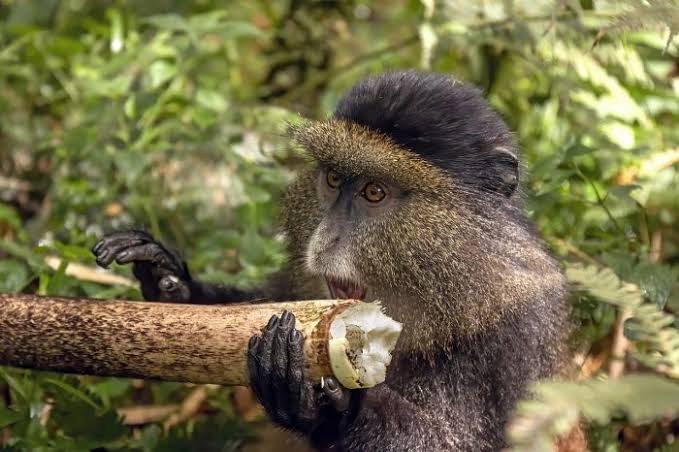
The park also offers golden monkey trekking and hiking opportunities on Mount Muhavura, Mount Gahinga, and Mount Sabinyo. For travelers who want to combine gorilla trekking with other activities, Mgahinga provides variety within a compact area.
Preparing for Your Gorilla Trek.
Proper preparation makes the difference between an enjoyable trek and a miserable one. Fitness matters. You do not need to be an athlete, but you should be able to walk for several hours on uneven, steep terrain. Start a walking routine several months before your trip. Practice on hills if possible.
Packing is equally important. Sturdy, waterproof hiking boots that you have broken in before your trip are essential. Long trousers and sleeves shield against nettle stings and bugs. Wearing gardening gloves makes it easier for you to grasp the plants growing on the slope. Wearing a raincoat is important as the hilly terrain may unexpectedly start raining anytime. Wearing neutral colors like green, brown, and khaki will allow you to match the surrounding area of the forest.
Bring a daypack with water, snacks, your camera, and extra batteries. The forest is dark, and your camera’s autofocus may struggle. Practice manual focus before your trip. Leave the flash at home. It is prohibited and will not help in the dense vegetation anyway.
Hire a porter at the trailhead. The cost is approximately fifteen to twenty US dollars, and the service is invaluable. The porters will help carry your day pack, assist you while climbing steep inclines, and guide you for better traction when the paths get slippery. The money benefits local people, and the help makes sure you concentrate on the journey instead of the climb.
Best Time for Gorilla Trekking.
Gorilla trekking safari is possible year-round, but conditions vary by season. The dry seasons from June to September and December to February offer the easiest trekking conditions. The trails are harder, there is less vegetation, and the amount of rainfall is reduced. This is the best time to visit the area since there will be many tourists and the costs will be high. During this time, there is heavy rainfall.
The trekking will be muddy and more challenging. The trails may become slippery, and the vegetation denser. Nevertheless, there will be plenty of lush green vegetation in the area. For budget-conscious travelers willing to accept some weather risk, the wet seasons offer excellent value.
Costs and Permits.
A Uganda gorilla permit costs eight hundred US dollars for foreign non-residents. East African citizens pay less. The permit grants you access to the park, the services of guides and trackers, and your one hour with the gorillas. Permits should be booked three to six months in advance for travel during peak dry seasons.
Accommodation near Bwindi ranges from budget campsites to luxury lodges. Mid-range lodges cost one hundred to two hundred US dollars per night. Luxury lodges exceed three hundred dollars. Most lodges offer packages that include accommodation, meals, transport to the park headquarters, and sometimes porter hire.
Transport to Bwindi from Entebbe or Kampala takes approximately eight to ten hours by road. A fly-in facility can be arranged via Aerolink Uganda, whose scheduled flights operate between Entebbe and either Kihihi or Kisoro airstrips within the vicinity of the national park, covering a journey of about one hour.
Traveling to visit the Ugandan gorillas is no easy trip. Fitness, preparedness, and a readiness to be uncomfortable are all part of the experience. However, when you finally travel there, the reward is beyond measure. It’s a chance to share in the presence of the gorillas while being in their mist and meeting their gaze. You return home with memories that no other experience can provide.
Begin planning your Uganda gorilla safari today. The gentle giants of Bwindi are waiting to welcome you.