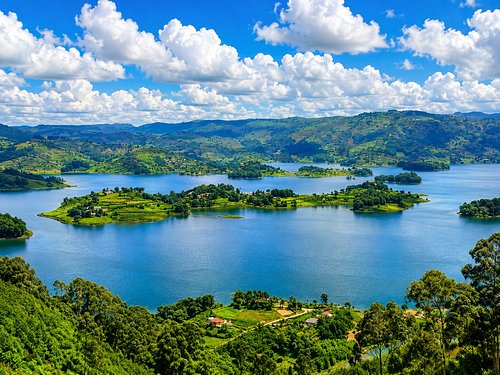
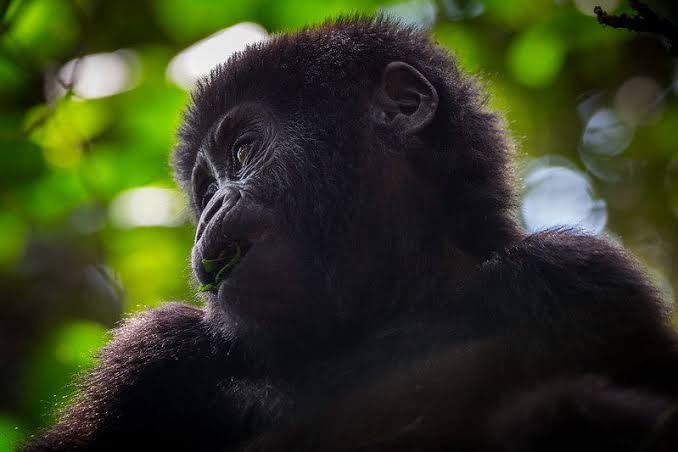
Bwindi Impenetrable National Park.
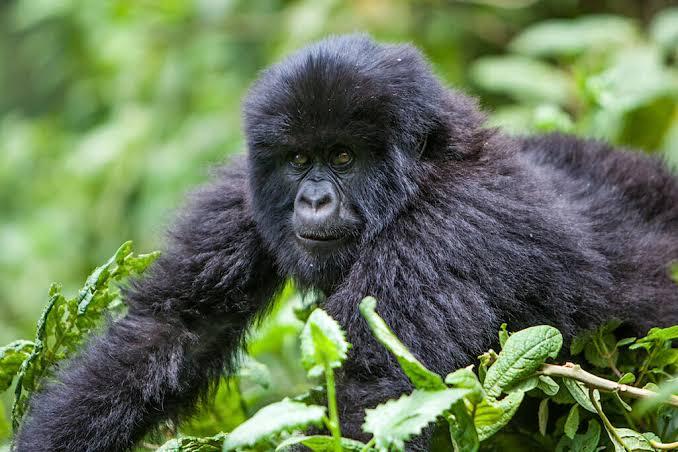
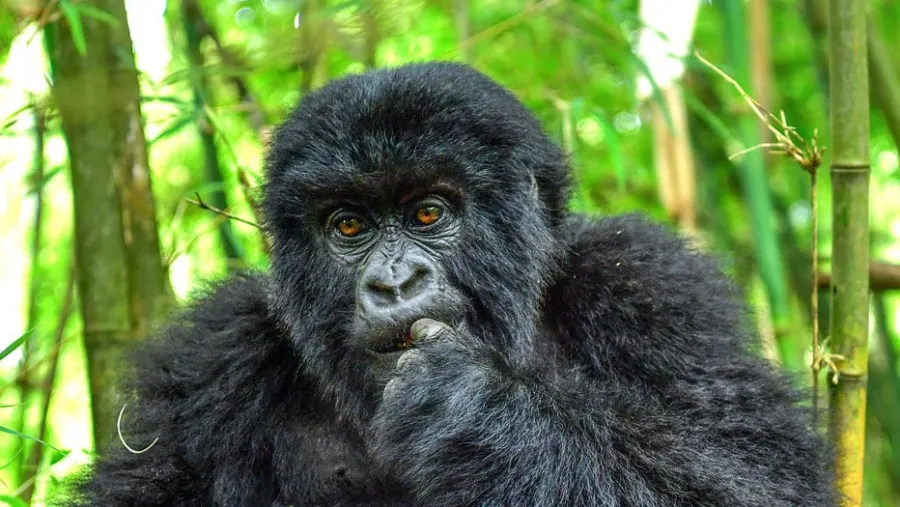
Bwindi is Uganda’s flagship gorilla safari destination and a UNESCO World Heritage Site, its dense, ancient rainforest sheltering the majority of the country’s habituated gorilla families across four distinct trekking sectors: Buhoma, Ruhija, Rushaga and Nkuringo. Each sector has its own character and access point, so the choice of sector usually comes down to where a traveler’s lodge is based and how much driving they want to do before the trek even starts. Buhoma, the original and most established sector in the northwest, tends to suit travelers wanting well-developed lodge infrastructure, while Rushaga in the south holds the largest number of habituated families and is the only sector offering the Gorilla Habituation Experience, a $1,500 permit that extends the standard one-hour visit to up to four hours with gorillas still in the process of becoming fully habituated. Ruhija and Nkuringo are generally quieter, appealing to travelers prioritizing a less crowded trek over convenience.
Mgahinga Gorilla National Park.
Mgahinga sits in Uganda’s southwestern corner within the Virunga volcanic range, the same mountain chain shared with Rwanda and the DRC, and hosts a single habituated gorilla family rather than Bwindi’s many groups. Because gorilla movement across the porous border with Rwanda and Congo means the family isn’t always reliably present, most tour operators steer travelers toward Bwindi for a more dependable trekking experience, reserving Mgahinga for those who’ve already trekked in Bwindi and want a second, quieter encounter, or for travelers combining the trek with Mgahinga’s other draws, including volcano hikes and golden monkey tracking.
What a Uganda Gorilla Permit Actually Costs.
The standard Uganda gorilla trekking permit runs $800 for foreign non-residents, covering park entry, a ranger guide, security personnel, and one hour with a habituated gorilla family once located. Foreign residents pay a discounted $700, and East African citizens pay a separate resident rate in Ugandan shillings. Tour operators typically add a modest service fee for booking on a traveler’s behalf, though this is often waived when the permit is bundled into a full safari package. Beyond the base permit, the Gorilla Habituation Experience at $1,500 gives serious wildlife photographers and enthusiasts up to four hours with a semi-habituated family, a meaningful upgrade for travelers who find one hour too brief but don’t want to pay Rwanda’s flat $1,500 for the standard experience.
Building a Full Uganda Gorilla Safari.
Very few travelers fly in purely for the trek and leave immediately after, and Uganda rewards those who don’t. The most common structure combines Bwindi with Queen Elizabeth National Park for game drives, the Kazinga Channel boat cruise, and tree-climbing lions in the Ishasha sector, along with Kibale National Park for chimpanzee tracking, stitching together primates and Big Five game viewing into a single seven-day route. A typical mid-range package covering accommodation, transport and guiding runs $2,500 to $4,500 per person for four to six days from Entebbe, though budget travelers arranging their own transport and staying in guesthouses can bring that figure down considerably with enough advance planning. Because Bwindi sits several hours by road from Entebbe, many itineraries fly into Kihihi or Kisoro airstrip to save time, then continue overland to combine parks rather than backtracking through Kampala.
When to Go for Uganda Gorilla Safari.
Gorilla trekking runs year-round in Uganda, but the driest conditions fall in June through September and again in December, when trails are firmer and hiking through Bwindi’s steep, dense terrain is noticeably less demanding. January and February offer a quieter low season with little rain and thinner crowds, appealing to travelers who’d rather trade a small chance of showers for more availability and a less booked-out trekking schedule. March through May brings the heaviest rainfall and the muddiest, most physically demanding conditions, which some travelers still choose deliberately for the lower crowds and lusher scenery, provided they’re prepared for the terrain. Average temperatures in Bwindi hover around 11°C in the early morning and 23°C in the afternoon, so layering matters regardless of season.
Booking Timeline and Practical Tips.
Permits sell out well ahead of peak months, and most specialists recommend booking three to six months out for June through September and December, stretching to six to twelve months for the New Year period specifically. Bookings go through the Uganda Wildlife Authority directly or, more commonly, through a licensed tour operator who can check real-time availability, secure the permit, and build accommodation and transport around it. It’s worth noting that travelers cannot choose a specific gorilla family in advance; rangers assign groups to families each morning based on the gorillas’ current location and the fitness levels within each trekking party, which is part of why a good operator’s experience matters, since they can advise honestly on which sector suits a traveler’s fitness level and interests rather than simply upselling the nearest permit.
Where to Stay
Bwindi’s accommodations extend the full range, from $50 to $100 per person for budget in budget lodges and in community rest camps, then $100 to $300 for comfortable mid-range lodges with full board, up to $600 to $1,500 or more per night at high-end properties offering gourmet dining and forest views. Because each sector has its own cluster of nearby lodges, accommodation choice and sector choice tend to get decided together, and travelers booking through a specialist operator generally benefit from that pairing being handled for them rather than discovering after arrival that their lodge sits an hour from their assigned trekking point.
Conclusion: Uganda’s combination of lower permit costs, multiple trekking sectors, and easy pairing with chimpanzee tracking and classic savanna game drives makes it the most versatile gorilla safari destination in East Africa, appealing equally to first-time trekkers watching their budget and repeat visitors chasing a second, deeper encounter through the habituation experience. The trade-off against Rwanda’s more compact, higher-polish itinerary is largely one of distance and terrain, Uganda’s parks are more spread out and it’s trekking generally more physically demanding, but for travelers willing to accept a longer, muddier hike in exchange for roughly half the permit price and a genuinely wider range of things to do around it, Uganda remains the destination most gorilla safari specialists recommend first.