A Uganda safari is not for those seeking the endless plains and herds of wildebeest that define Tanzania or Kenya. This is a different kind of African journey. It is intimate rather than vast. It is verdant rather than golden. It rewards patience with encounters that feel personal rather than performative. This landing page explains why Uganda deserves a place on your safari itinerary, what you will see and do, and how to plan your visit to this remarkable country.
Why Uganda Stands Alone.
Uganda occupies a unique position in East Africa. The country straddles the equator, but its high-altitude moderates’ temperatures. Much of the country sits above one thousand meters, with some areas exceeding four thousand meters. This elevation creates a climate that is pleasant year-round, rarely too hot and never truly cold except on the mountain peaks.
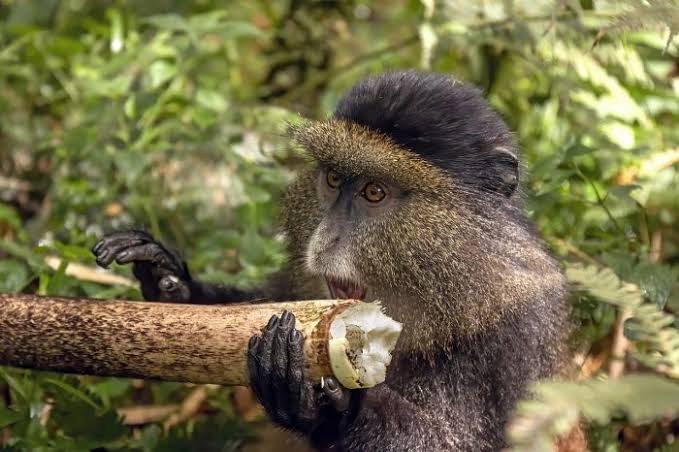
The country’s nickname, the Pearl of Africa, comes from its extraordinary biodiversity. Uganda protects more primate species than any other country on Earth. It is one of only three nations where mountain gorillas survive. It is home to chimpanzees, golden monkeys, and a dozen other monkey species. Its bird list exceeds one thousand species, nearly ten percent of the world’s total, packed into a country the size of Oregon.
Uganda is also defined by water. Lake Victoria, the largest tropical lake in the world, shares its shores with Uganda, Kenya, and Tanzania. The Nile River begins its six-thousand-kilometer journey from Jinja, where the lake spills over a natural rock dam. The Kazinga Channel connects two lakes in Queen Elizabeth National Park, creating a waterway thick with hippos and elephants. The country’s numerous rivers, swamps, and wetlands support an astonishing density of birdlife and aquatic species.
The Gorillas of Bwindi and Mgahinga National Parks.
The mountain gorilla is Uganda’s most famous resident. Approximately half of the world’s remaining mountain gorillas live in Bwindi Impenetrable National Park, a UNESCO World Heritage Site in the southwestern corner of the country. Another family group resides in Mgahinga Gorilla National Park, part of the Virunga Massif shared with Rwanda and the Democratic Republic of Congo.
Tracking gorillas in Bwindi is an experience unlike any other safari activity. You gather at the park headquarters before dawn, where rangers assign you to a specific gorilla family based on your fitness level and the family’s location for that day. The briefing covers the rules: stay seven meters away, do not eat or drink near the gorillas, turn off your camera flash, and if a gorilla approaches you, remain still and look away.
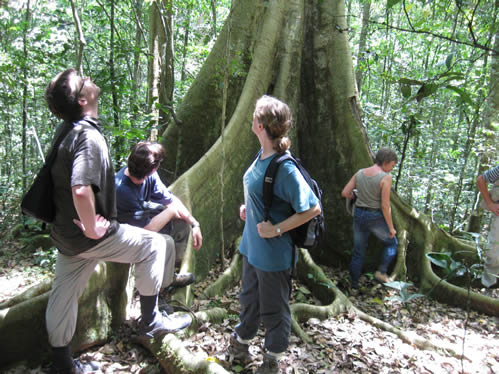
Then you drive to the trailhead and begin walking. Bwindi means place of darkness in the local language, and you understand why as soon as you enter the forest. The vegetation is thick. The ground is steep and often muddy. The trail might lead you through farmland, into bamboo thickets, up slopes that leave you breathless. The trek might last one hour or five. The uncertainty is part of the experience.
When you finally locate the family, everything changes. You have exactly one hour with the gorillas. That hour passes more quickly than you can imagine. A silverback rests on his elbows, studying you with calm curiosity. A mother grooms her infant, picking through its fur with careful fingers. Juveniles tumble through the undergrowth, wrestling and chasing each other in play. The proximity is extraordinary. Gorillas may walk within a meter of where you stand. You hear them breathe. You can detect their musky scent.
The price of the gorilla trekking permit in Uganda is eight hundred dollars, far cheaper than the fifteen hundred dollars charged in Rwanda. It is a distinct experience. The terrain of Bwindi is rougher, yet the forest is cleaner. The trekking is harder, but the sense of achievement is greater. For travelers who want the gorilla experience without the premium price of Rwanda, Uganda is the clear choice.
The Chimpanzees of Kibale and Beyond.
Uganda is also the best place in East Africa to track chimpanzees. Kibale National Park, in the western part of the country, protects the highest density of primates in Africa. The forest is home to more than thirteen species, including red colobus, red-tailed monkeys, and black-and-white colobus. But the stars are the chimpanzees. Several communities are habituated for tracking, and the chance of sighting them exceeds ninety percent.
The chimp experience is different from gorilla trekking. Chimpanzees are more active, more vocal, and more mobile. You might find them feeding in a fig tree, screaming and hooting as they stuff fruit into their mouths. You might follow them as they move through the forest, swinging from branches and dropping to the ground to walk upright for short distances. The hour with them passes in a blur of activity.
Budongo Forest in Murchison Falls National Park offers another chimpanzee tracking option. This forest is famous for its habituated community and for the research conducted there over decades. The chimps here are accustomed to human presence, and sightings are reliable. The setting, within sight of the Nile River, adds another dimension to the experience.
Kalinzu Forest, near Queen Elizabeth National Park, offers another chimpanzee tracking option. Though it is less famous, but the experience safari is excellent, and the permit costs significantly less than in Kibale.
The Savannah Parks: Queen Elizabeth and Murchison Falls.
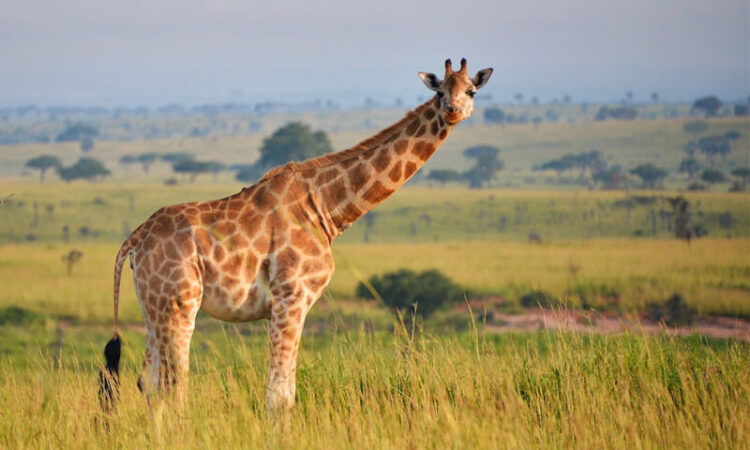
Uganda is not only about primates. The country also protects savannah landscapes that rival those of its more famous neighbors. Queen Elizabeth National Park and Murchison Falls National Park offer classic game viewing in settings that are uniquely Ugandan.
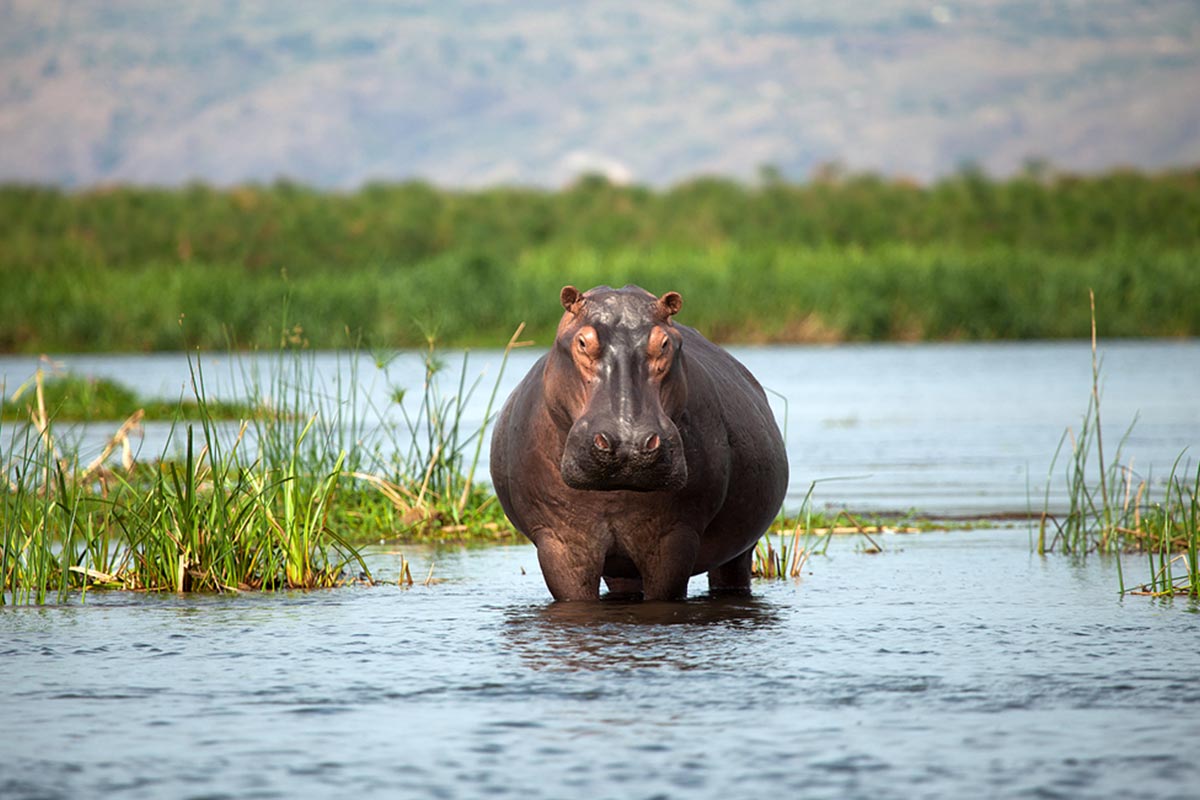
Queen Elizabeth National Park stretches between Lake Edward and Lake George, connected by the Kazinga Channel. This natural waterway is the park’s highlight. Boat safaris on the channel take you past hundreds of hippos, elephants drinking on the shore, buffalo cooling themselves in the shallows, and an astonishing variety of birds. The channel supports one of the highest concentrations of hippos in Africa, and you will see them everywhere, grunting, yawning, and occasionally fighting.
The park’s Ishasha sector is famous for its tree-climbing lions. These lions spend hours lounging in the branches of giant fig trees, a behavior that is rare elsewhere in Africa. Sightings are not guaranteed, but when you find them, the image of a lion draped over a branch with its paws hanging down is unforgettable.
Murchison Falls National Park offers a completely different experience. Here, the Nile River forces its way through a narrow gorge, creating a waterfall that is both powerful and beautiful. The boat safari to the base of the falls takes you past crocodiles, hippos, and elephants drinking on the riverbanks. The spray from the falls cools your face as you approach, and the roar of the water grows louder with each meter. Above the falls, the river widens again, and you can take a second boat safari through the delta, where shoebill storks stand motionless among the papyrus.
Nile Source and Jinja Town.
The Nile River starts its course towards the Mediterranean Sea from the town of Jinja, which lies next to Lake Victoria. Although there is a plaque that marks the exact point, the experience goes beyond just being there. Jinja is known as the adventure capital of East Africa. White-water rafting on the Nile offers rapids that challenge experienced paddlers and thrill first-timers. Kayaking, stand-up paddleboarding, and bungee jumping are available. For travelers seeking something calmer, sunset cruises on the lake offer excellent birdwatching and the chance to see the source from the water.
Planning Your Uganda Safari.
Uganda is more affordable than Rwanda and less crowded than Kenya or Tanzania. Gorilla permit prices are $800 US dollars each. Chimpanzee permit prices are $200 US dollars each. Entrance fees vary between $40-$50 US dollars daily. Lodging is available from cheap camp sites to luxurious lodges, as well as in the middle category for all the major national parks.
A typical Uganda safari lasts ten to fourteen days. A classic itinerary includes gorilla trekking in Bwindi, chimpanzee tracking in Kibale, a boat safari on the Kazinga Channel, and a visit to Murchison Falls. Add Jinja for white-water rafting or Lake Mburo for a weekend of walking safaris. The country is small enough that you can cover significant ground without spending days in transit.
Uganda is not the easiest safari destination in Africa. The roads are rough. The gorilla trek is physically demanding. The infrastructure in some areas is basic. But for travelers who make the journey, the rewards are extraordinary. You sit with mountain gorillas in the misty forest. You watch chimpanzees feed in the canopy. You feel the spray of the Nile as it forces its way through Murchison Falls. You leave with memories that no other country can provide. Begin planning your Uganda safari today. The Pearl of Africa is waiting to reveal its treasures.