
Kampala City Tours
Kampala, the capital city of Uganda, is a city that cannot be easily described in a few words. Let us take you through Kampala City Tours. This is because Kampala is a city where the dynamism of modern East African life meets tradition, chaos mixes with quietness in the shape of crowded markets existing in peace next to ancient tombs of royalty. For many travelers on a Uganda tour, Kampala is simply a stopover on the way to gorilla trekking safaris in Bwindi or wildlife viewing in Queen Elizabeth National Park. But to skip over this city is to miss a vital part of the Ugandan story.
Built on seven hills and now sprawling over more than twenty, Kampala gets its name from the phrase “Akasozi k’empala,” meaning “hill of impalas”. It used to be one of the preferred hunting grounds of the Kabaka, the king of the famous Buganda Kingdom, but is now the economic and political nerve center of the country. A tour of Kampala city gives you an experience of the real Uganda by immersing you in its culture and history, giving you a great start or finish to your Uganda trip.
Essential Tourist Attractions of Kampala City.
The tour through the city of Kampala will provide visitors with the experience of exploring history and culture. Below is a list of some of the key attractions.
Kasubi Royal Tombs.
Kasubi Tombs are a UNESCO World Heritage Site and the most sacred site of the Buganda Kingdom. The outstanding thatch building is used as the place of burial for four kings who once reigned, and it is a true architectural wonder of traditional Ganda architecture. However, despite the fire outbreak in 2010, the place has been fully restored, and the visit to this place will definitely provide you with information about the culture of Buganda, royal traditions, and the significance of the kingdom in Uganda’s history.
Ndere Cultural Center.
Ndere Cultural Centre is an active cultural center that showcases the culture of Uganda through its amazing music, dance, and drama. The ideal destination for experiencing the cultures of over 50 different tribes in Uganda, within a single night. This center features amazing performances that narrate the story of the tribes of Uganda with dancing, drumming, and traditional costumes.
Uganda Museum.
One of the best ways to learn about the history of Uganda is to visit the Uganda Museum, which is located in Kitante Hill and happens to be one of the oldest museums in East Africa. It was established in 1908 and contains some of the most unique exhibitions related to the culture and natural history of Uganda. The museum has collections on ethnography, archaeology, and natural history, along with some rare musical instruments, fossils, and old tools belonging to the various tribes in Uganda.
Royal Tombs of Kasubi.
The Royal Tombs of Kasubi stand among the most sacred and important cultural landmarks in Uganda. As a UNESCO World Heritage Site, this remarkable structure is the burial ground of four Kabakas (former Kings) of the Buganda Kingdom. The place gives a deeper understanding of the monarchy culture of the Baganda people, including their customs and skills in architecture. Although the site was destroyed by a fire outbreak in 2010, it has been restored to its full glory.
Bahá’í Temple.
The Bahá’í Temple is a one-of-a-kind Bahá’í House of Worship in Africa, located at Kikaaya Hill. The majestic structure is known as a place of tranquility, where anyone can come irrespective of his/her religion for peace and prayers. The temple’s architecture is unique, and the views from the grounds provide a peaceful perspective on the city below.
Kabaka’s Palace.
The Kabaka’s Palace in Mengo is the official residence of the current king of Buganda. The tour of the palace compound takes you through the intriguing history of the kingdom and how it has interacted with the colonial powers and successive governments after independence. Perhaps one of the most sobering aspects is the dungeons that were used to torture opponents of Idi Amin’s regime.
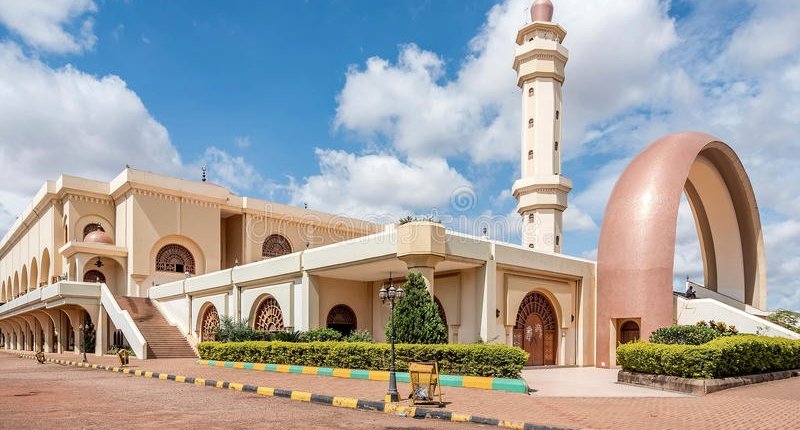
Gaddafi National Mosque.
Gaddafi National Mosque is located on the top of Old Kampala Hill, is one of the biggest mosques in East Africa. People have the opportunity to see inside its majestic prayer hall and, if they are up for climbing stairs, ascend the 272 stairs of the minaret to see a panorama of the entire city of Kampala. It is a peaceful spot to enjoy the diverse nature of the city.
Twin Hilltop Cathedrals.
Two cathedrals stand majestically at the top of the two adjacent hills in Kampala, making up the skyline of the city. Namirembe Cathedral, popularly known as the St. Paul’s Cathedral, is the oldest cathedral in Uganda and is the headquarters of the Anglican Church. The stunning architecture of the red brick church and its picturesque views make it an attraction to visit. Nearby is Rubaga Cathedral, officially known as St. Mary’s Cathedral, which is the headquarter of the Roman Catholic Archdiocese of Uganda.
Nakasero and Owino Markets.
The markets in Kampala are must visits for anyone visiting the city. Nakasero market offers an exciting adventure by offering different types of fresh foods ranging from fruits, vegetables, and even spices. It is a sensory overload, and one can enjoy eating some local delicacies. For those who want a more exciting adventure, one should visit the massive Owino Market (St. Balikuddembe Market). This is the biggest market in Uganda, which offers everything imaginable. Navigating these markets with a local guide is highly recommended for both safety and to understand the true rhythm of Kampala’s commercial life.
How to Tour Kampala.
There is a wide variety of ways to go around Kampala, depending on your preferences. You can take walking tours, which will allow you to familiarize yourself with the center of the city, its markets and places of interest. Adventurous visitors can try a boda-boda tour, which is the best choice for dealing with the notorious “Kampala Jam”.
Also, popular today is cycling tours, which are quite a good alternative. The main places of interest of the city can be included in the itinerary of any half-day or full-day tour organized by the local operators. Another interesting option is a visit to the Ndere Cultural Centre in the evening, where you can watch performances of traditional music and dances after having a buffet dinner of Ugandan food.