
Cultural Tours In Rwanda
Cultural Tours In Rwanda; It is quite obvious that the Rwanda tour packages all aim at satisfying the visitor’s needs in order to make their stay in the country memorable. In Rwanda, a number of tours and activities have been designed to make it fun for you while in the country; for instance, the Rwanda genocide tour, Rwanda gorilla tours, Rwanda golden monkey trekking, and chimpanzee trekking in Rwanda aim at visitor satisfaction. However, among the different tours and activities that have been designed, the cultural tours in Rwanda are quite unmatched because of the diversity of the culture in the country, which makes it one of the key factors and reasons why tourists visit the country.
On your Rwanda tour, you will have a chance to know the different cultural groups in Rwanda, which are the Tutsi, Hutu and Twa, which have different cultural attributes that can attract a tourist on their cultural tour in Rwanda. Today, Rwanda is a country that is not divided into different kingdoms; the country has a number of cultural sites and different cultural villages that will be of great significance to the tourists interested in understanding the Rwandan culture.
KITABI CULTURAL VILLAGE
The Kitabi cultural village is located in Nyungwe National Park, a park that is known for its primate species, including over 500 chimpanzees in number, and the different monkey species, for example the l’hoest’s monkey, the vervet monkeys and so on. At just the entrance of the park, you will have a chance to see beautiful huts that are like the ones of the king’s palace, which can be seen among the top ten attractions in Rwanda. At the entrance of the gate, you will be able to witness two royal guards protecting their ‘’kingdom’’ with arrows.
Moving on, you will see how the traditional culture of Rwanda was, whereby you can see women or other different members of the community working together, presenting their grievances to the leaders and so on while dressed in traditional attire, which is quite interesting once seen. The people in the village can also perform cultural dances; you will also have a chance to participate in a number of activities like basket weaving, making of herbal medicine, and honey collection, which will enable you to have an authentic experience of the Rwandan culture. By visiting the cultural village, you will promote cultural preservation through tourism as people benefit from it.
It should be noted that the cultural village was another place where King Kigeli V Ndahindurwa, the last King of Rwanda, established his palace at Kitabi after he transferred it from Nyanza.
Banda cultural village
Just like the Kitabi cultural village, you can have the greatest authentic cultural experience in Rwanda when you visit the Banda cultural village. The village aims at the preservation of culture through tourism, which has also enabled cultural exchange, which is an important aspect of cultural tourism. Here the Banda village members will exchange their culture through traditional dances and traditional games like the Igisoro game, which is the board game, a game that was played for fun and a means of bonding among the members of communities in the early years. The community will also teach you how to make local brews like banana alcohol and how to make local cuisines, among other interesting practices that define culture in the village.
You can also make your Kitabi and Banda cultural tours in Rwanda interesting and memorable by including Nyungwe National Park, where a number of activities like birding, chimpanzee trekking, nature walks, canopy walks, and hiking can be carried out to have a life-changing experience.
Ibyi’wacu cultural village
Interested in carrying out cultural tours in Rwanda, you should not miss out on visiting the Ibyi’wacu cultural village, which is located outside Volcanoes National Park, where gorilla trekking in Rwanda is carried out. Among the cultural villages in Rwanda, the Ibyi’wacu cultural village is the most visited village and this is because of the rich cultural history that is portrayed at the village. Upon arrival in the Ibyiwacu cultural village, you will be welcomed by a member of the community who will take you on the tour around the whole village. You will visit the medicine man, who will show you the process of making herbal medicine by using stems, leaves, and branches of trees in order to make medicine to heal diseases like cough, fever and many other diseases. You will also have a chance to visit the Batwa area for pottery, where you will be taught how to make traditional pots for cooking food and so on.
King’s palace
The king’s palace, which is a unique cultural site in Rwanda, should not be missed out on while visiting the country because of the unique cultural experience it showcases to its tourists; the whole village or palace is the replica of the king’s palace of the last king in Rwanda. During his reign, he was very much interested in the long-horned cattle, which can be seen in the back of the precious king’s hut and interesting about the cows is the fact that they are treated like they are human; they are trained to listen to their masters and this is evident because they can be seen moving to the sounds of the music of their trainers as they sing to them. The cows are usually decorated with flowers and beads, as it was in the olden time during the reign of King Kigeli V Ndahindurwa.
Ethnographic museum
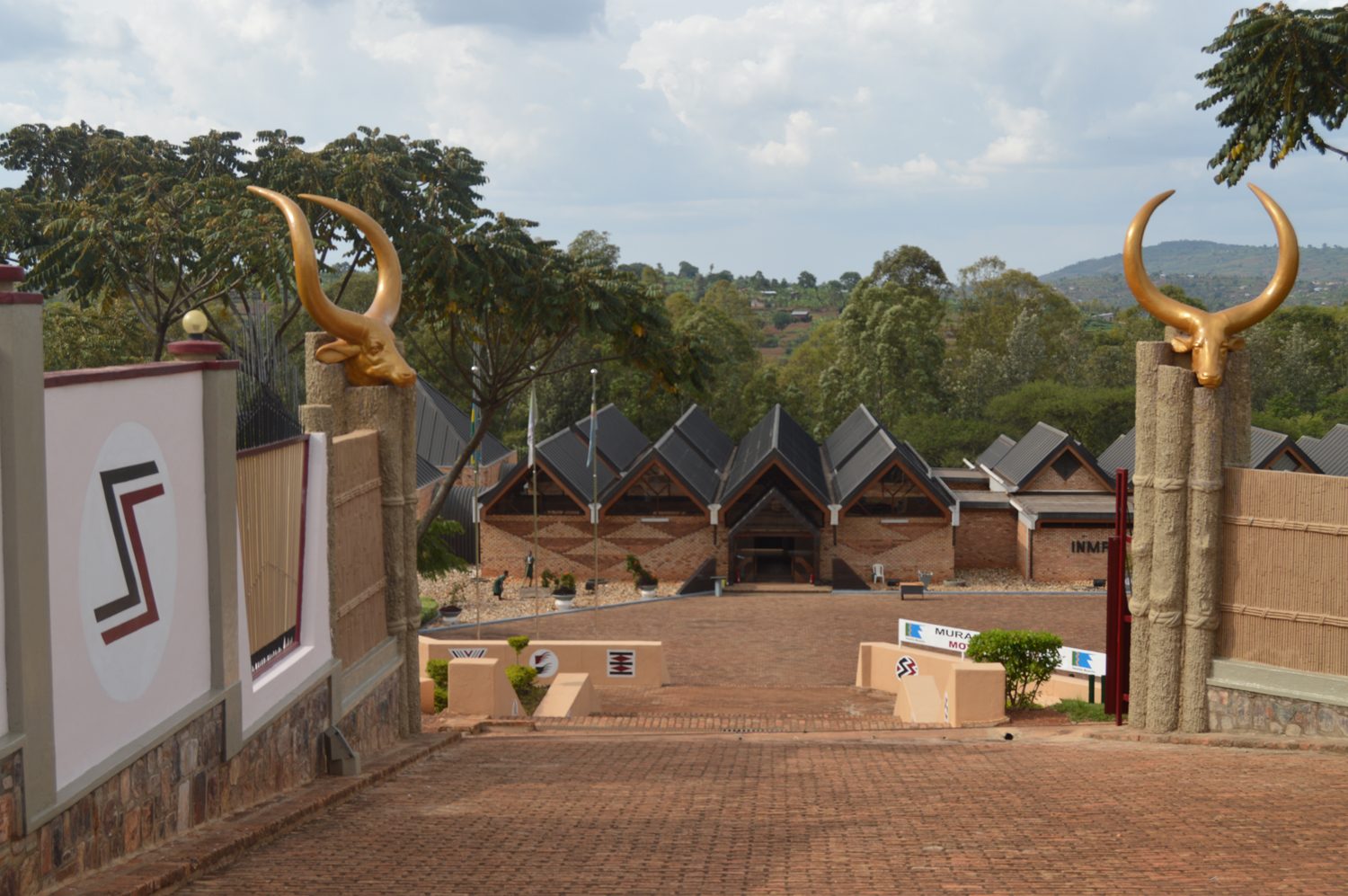
The ethnographic museum is a cultural museum that should not be missed out on while carrying out cultural tours in Rwanda. Visiting the museum will help you have an insight into the evolution of Rwanda’s culture before and after colonization by the Belgians. The museum was a gift from a Belgian who established it in order to ensure that there is cultural preservation in the country. Here you will see the different hunting tools in the country before colonization and the evolution of the dress code in Rwanda from the umushanana, the traditional silk dresses, to trousers, cotton dresses, among other dress codes.
Bugesera reconciliation village
After the 1994 Rwanda genocide, many families were left homeless; they were left bitter without any relatives and most of them became enemies but in a way of creating peace and harmony among one another, the government of Rwanda established the village to bring the people together to ensure that the people love one another, which has worked because you will visit the village where you will see people living happily with one another.
They will also tell you stories of the days of the genocide, what transpired, and what they had to go through, which is so heartbreaking, but because they forgave the ones that hurt them, it restores hope in humanity and it also shows the degree of trust they have in one another.